Sukkur: Monsoon Flood 2011 has affected thousands of million populations in Sindh. Pakistan Islamic Medical Association (PIMA) has already intervening in two tahsils of District Khairpur i.e. Thari Mir Wah and Fiaz Gunj, the worst flood affected areas, for provision of primary health care services to the affected communities, there is big need of social mobilization for improved
hygiene behaviors in 6 union councils of two talukas (Thari Mir Wah & Faiz Gunj). We proposed to implement a two months project focusing on comprehensive social mobilization for safe drinking water, health/hygiene & sanitation education along with the education of Islam/Sunnah so that water borne and other WASH related diseases would be prevented among the children under five years of age and the living conditions of the affected communities in 6 union councils can be improved.
The project the activities are designed as such that the ultimate focus will be on the caretaker of the children of under 5 years and they can be empowered to take responsibility in protecting their own and children life through improved and safe drinking water, improvement of hygiene practices.
Background:
Monsoon Flood 2011 has affected thousands of million populations in Sindh, the figures declared by the government of Pakistan 1.7 million persons have been affected due to the recent rainfall flood. Sindh province is also one the province and its 20 districts faced recent flood challenges. Thousands of villages have been destructed and millions of families have been displaced. District Khairpur, is the district amongst the most affected districts in Sindh Province where community/villagers are facing numerous problems that includes lack health care services, food, livelihood, and WASH facilities due to this monsoon flooding along with lot of destruction of their houses, lands and their foods. The situation is settled back and most areas of district khairpur are settle back but they don’t have any shelters, and food for eating, Non-Food items, safe drinking water and hygiene and sanitation. Due to that a big number of children under five years of age, mothers/pregnant women are suffering from hunger and poor diet along with lack of safe drinking water and poor hygiene, sanitation conditions. There is high rate of WASH related diseases, and malnourished cases reporte during different surveys conducted by local and INGOs. Access to safe drinking water and sanitation facilities remains a critical issue in flood-affected areas. The findings of the MSNA indicate that the floods reduced access to piped drinking water among the affected people and increased the number of people relying on unprotected and untreated sources of water. A recent WHO report revealed that up to 87 per cent of water sources tested were unfit for drinking. The number of people practicing open defecation has also increased. Many returnees have found their primary settlements and structures damaged and in need of major rehabilitation and maintenance. As more people return to their homes, the focus shifts to critical early recovery interventions such as the restoration of damaged water schemes and social mobilization to support improved hygiene behavior.
Pakistan Islamic Medical Association (PIMA) has already intervening in two tahsils of District Khairpur i.e. Thari Mir Wah and Fiaz Gunj for provision of primary health care services to the affected communities, there is big need of social mobilization for improved hygiene behaviors in 6 union councils of two talukas (Thari Mir Wah & Faiz Gunj). We proposed to implement a two months project focusing on comprehensive social mobilization for safe drinking water, health/hygiene & sanitation education along with the education of Islam/Sunnah so that water borne and other WASH related diseases would be prevented among the children under five years of age and the living conditions of the affected communities in 6 union councils can be improved.
The project the activities are designed as such that the ultimate focus will be on the caretaker of the children of under 5 years and they can be empowered to take responsibility in protecting their own and children life through improved and safe drinking water, improvement of hygiene practices.
Project Goals & Objectives:
- To improve the knowledge and change the practices of the flood/rain affected communities regarding Safe Drinking Water, Hygiene and Sanitation.
- To Improve the knowledge of Hand Washing Practices on critical timings
- To Improve knowledge of personal, domestic and environmental hygiene
- Access to the safe drinking water to reduce the water borne diseases among flood affected communities in targeted union councils through mobilization.
- Reduction in water and sanitation related diseases among children.
Project Duration
Two Months (December 26, 2011 to February 25, 2012)
Formation of Recruitment & Selection Committee:
The recruitment & selection committee was formed comprises of the following three members for the recruitment and conducting interviews of the HIP project staff;
1. Dr. Abdul Aziz Memon – Chairman
2. Dr. Ghayas Khan – Member
3. Mr. Altaf Ahmed – Member
Hygiene Promotion/Education Sessions:
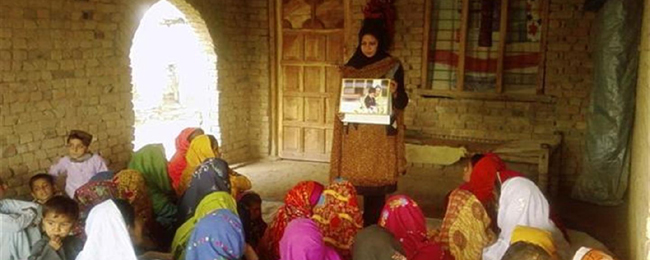
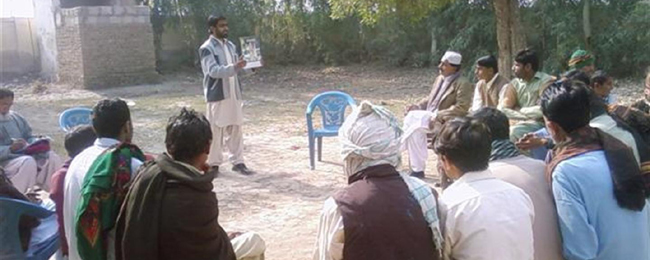
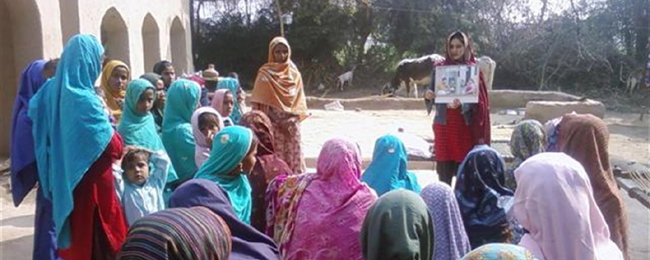
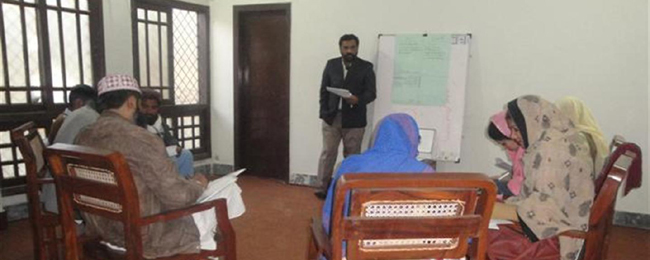
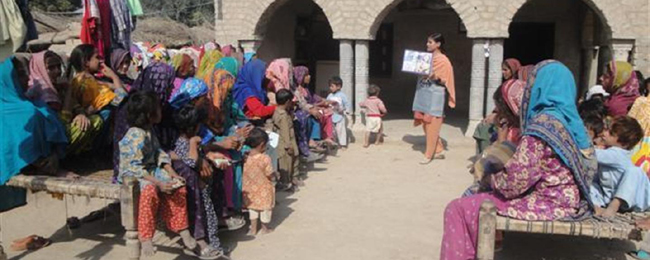
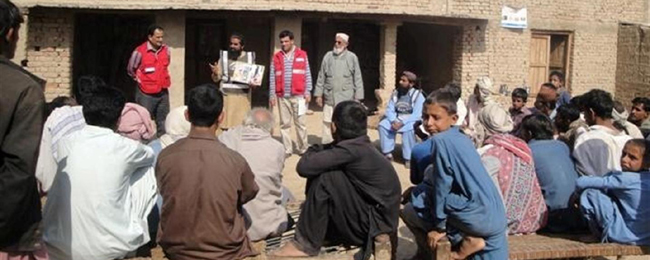
The teams were assigned task to conduct and complete the target number of hygiene sessions with male and female covering the planned target of individuals during the project period.
Area Coverage:
188 villages of Taluka Faiz Gunj and Thari Mir Wah were covered during the project period through hygiene education sessions, distribution of soaps and hygiene kits
Awareness/Education sessions on Islam in the light of Quran and Sunnah:
There are organizations working in District Khairpur for relief of affected communities for the promotion of health and hygiene for disease prevention but its again first time ever in the area and that PIMA has provided the Islamic education in the light of Quran and Sunnah focusing the Namaz, health, safe hygiene and Importance Hand Washing along with the importance of the safe drinking water for better health during educating the communities. These sessions were provided by Hafiz Saeedu-Rehman, to the same targeted community in flood affected areas/villages.
Distribution of Soaps & Hygiene Items:
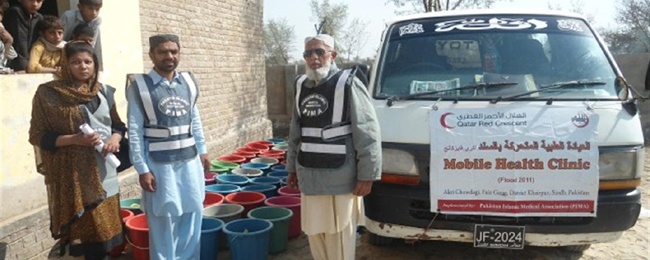
During the field activities of hygiene improvement project, total 68688 soaps were distributed, along with distribution of soaps 6480 male/female individuals from the target areas were provided demonstration on proper hand washing steps. Furthermore the following numbers of hygiene kits were also distributed among affected communities due to budget constraints. The UC wise detail of the material distribution is as under;
|
UC |
# of Kits |
Each Hygiene Kit Contain |
||||||
|
Soaps |
Bucket |
Nail Cutter |
Lota |
Hair Comb |
Tooth Past |
Lice Comb |
||
|
Mandhan |
100 |
3 |
1 |
1 |
1 |
1 |
1 |
1 |
|
Akri |
100 |
|||||||
Monitoring & Mentoring for Project Activities:
As monitoring & mentoring is the backbone of any program for its proper and timely implementation of the task to achieve the set targets of the project. Therefore, monitoring mechanism was prepared for the field activities to monitor field staff for their effective working and verification of activities and to facilitate the field team for proper implementation of the activities as per set strategy. During the project period regular monitoring conducted by field supervisor, field Coordinator and Management of PIMA Dr. Abdul Aziz Memon, Dr. Dr. Abdullah Khilji and the visitors from PIMA Markaz to verify the field activities of the project (Monitoring Format is attached at annex).
Weekly Progress Review and Feedback Meeting:
The regular meetings have also been held during the project period on weekly basis with field staff to review and discuss the project progress and feedback to the field staff. Besides these discussions, motivational sessions have also been held with the field team for proper and appropriate implementation of the project activities and for the target achievements.
Post Survey:
The post Survey of the project was conducted using the questionnaire to assess the community’s knowledge improvement and their practices. The survey was conducted in the already selected villages where pre-survey was conducted. The households were selected randomly on every 10 HHs, among each cluster a single form was administered by spin the ball point in one direction and data was collected. The respondent of the questionnaire was female as 90% females are responsible for the household activities.
Pre/Post Survey Results/Findings:
- 90% of the community is using ground water as primary source, the other source is water supply these sources have not been tested.
- Before the project activities 9.58% of the total surveyed community using wide mouth and not covered containers for storing drinking water however, after project it was decreased up to 1.80% and the number increased for using narrow mouth with covered container up to 74.85% which was 52.10% previously.
- As open defecation is one the main cause of increasing hygiene related diseases but after this project open defecation was decreased from 97.01% to 92.22%, besides this the use of latrines was increased from 2.99% to 7.78%.
- Health and hygiene education sessions on safe drinking water & hygiene practices has also increase the knowledge of the community regarding prevention from water borne diseases; diarrhea upto 90.42% from 41.32%, Cholera upto 23.95% from 8.38%, typhoid up to 7.78% from 1.20%.
- The knowledge for prevention of diseases from unsafe drinking water and unhygienic practices was increased i.e. for safe drinking water 16.77% to 65.87%, Good Hygiene 37.72% to 71.26% and for hand washing 11.38% to 48.50%.
- The knowledge for water purification methods increased for; boiling method from 53.29% to 97.01%, SODIS 10.18% to 59.28% and for use of chlorination for water treatment method from 2.40% to 16.17%.
- Knowledge & Practice of Hand Washing with Soap at critical timings has also been increased at good level i.e. Before eating Food from 43.11% to 94.01%, before preparation of food from 34.13% to 82.04%, before feeding baby 8.38% to 39.52% and after using latrines the level increased from 18.56% to 80.24%, after cleaning of bottom of the child 8.38% to 47.90%.
- The community has less knowledge of water, hygiene and health in the light of Quran & Sunnah which has also been increased during the HIP activities 20.36% to 87.43%, this increased number has mentioned that our Islam is teaching us for good hygiene, cleanliness etc.
- When the respondents were asked for the availability of the soaps in the house hold, before intervention 33.53% of the total survey community denied for unavailability of soap which was decreased 9.58%.
- Regarding the general remarks for their hygiene and cleanliness of their households, they were keeping their households cleaned (Good Hygiene) which was 6.59% to 92.22% increased.
Project Results/Achievements:
- Total 22896 community members were provided health and hygiene education trainings on Safe Drinking Water & Hygiene Promotion, out of which 11445 were male participants and rest 11451 were the females (the target audience was the mothers/fathers of children under five years of age).
- 11549 Soaps were distributed among the female participants in 93 villages of UC Akri and Mandhan.
- The immediate benefits received by the project target population, which will provide long terms benefits to the community.
- The target community is sensitized and awared for safe drinking water & hygiene practices especially focusing the hand washing practices and other personal, domestic and environmental hygiene will contribute towards the reduction of the of the water borne and hygiene related diseases among the flood affectees and in children under five years of age.
- By adopting the safe drinking water and safe hygiene practices, the community may improve the health & economic conditions and can reduce the poverty and other health related problems.